
A Remodeling Process Built Around Your Project
No two remodeling projects are exactly the same. Some homeowners are starting with an idea but need help developing the details. Others already have construction plans and material selections ready to go. Some are working within a flexible budget, while others need construction to begin as quickly as possible.
That is why Premier Remodeling offers three different approaches for larger remodeling and construction projects.
Each process has its own advantages, timeline, and pricing structure. During the initial consultation, we will discuss your goals, priorities, budget, and desired timeline to help determine which option makes the most sense for your project.
Option One: Design-Build
The Most Detailed and Cost-Effective Approach
The design-build process is typically the best option for homeowners who know what they would like to accomplish but have not yet finalized construction plans, materials, fixtures, or design details.
It is also the process we recommend most often because it provides the clearest pricing, the fewest surprises, and the smoothest construction experience.
While the design-build process requires more planning before construction begins, that preparation often results in a more efficient project and the best overall value.
Step 1: Initial Consultation
The process begins with an initial meeting to discuss your project, including:
- The type of renovation or addition you are considering
- Your goals for the space
- Your preferred design style
- Your approximate budget
- Your timeline and priorities
Based on this conversation, we can provide a preliminary ballpark estimate to help determine whether the project aligns with your expectations.
Step 2: Design Agreement
Once you decide to move forward, we enter into a design agreement.
The design fee is typically calculated as a percentage of the anticipated project cost. When the project moves into the construction phase, this fee is credited toward the construction contract.
The design agreement allows us to fully develop the project before providing the final construction price.
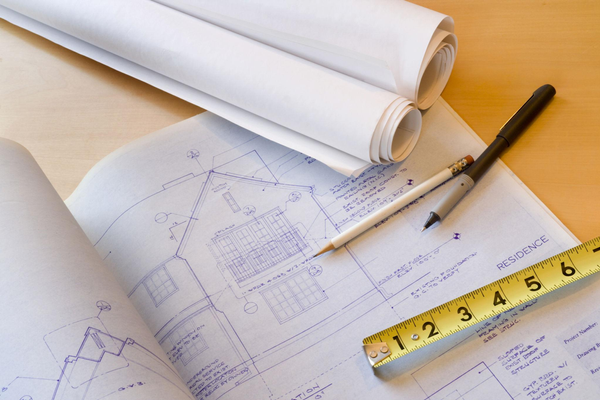
Step 3: Construction Plans
A complete set of construction plans will be created for the project.
These plans are used to:
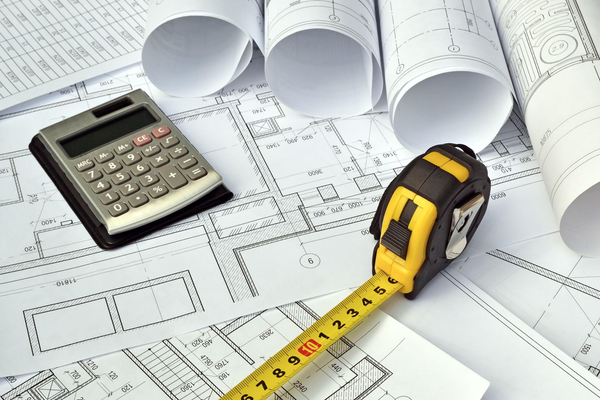
- Develop accurate bids and estimates
- Coordinate with subcontractors and trade partners
- Apply for required permits
- Plan structural and mechanical work
- Guide the construction process
The plans can be reviewed and revised throughout the design phase to ensure the finished project meets your exact needs.
Step 4: Material and Finish Selections
During the selection process, we will work through every material and finish included in the project.
Depending on the scope of work, selections may include:
- Flooring
- Interior trim
- Paint colors
- Cabinetry
- Countertops
- Plumbing fixtures
- Lighting fixtures
- Doors and hardware
- Tile and backsplashes
- Siding
- Roofing materials
- Soffit and fascia
- Exterior trim
- Additional specialty finishes
By selecting materials before construction begins, we can determine the actual cost of each item and ensure that every trade partner knows exactly what will be installed.
Step 5: Trade Partner Quotes
Once the plans and selections are finalized, we gather detailed quotes from the trade partners involved in the project.
This may include electricians, plumbers, HVAC contractors, concrete contractors, roofers, painters, flooring installers, cabinet suppliers, and other specialists.
Because each contractor is pricing the same plans and material selections, we can create a much more accurate and complete project estimate.
Step 6: Final Construction Proposal
After the plans, selections, permits, and trade partner pricing are completed, we prepare a detailed construction proposal.
The goal is to account for the entire project before construction begins.
This detailed preparation helps:
- Reduce unexpected costs
- Minimize change orders
- Prevent material delays
- Improve scheduling
- Keep subcontractors organized
- Make the construction phase faster and more efficient
Why We Recommend Design-Build
The design-build process requires more work before construction begins, but it typically provides the lowest overall project cost and the smoothest construction experience.
Because the plans, materials, pricing, and scheduling are addressed in advance, there are fewer surprises once work begins.
This allows our team to focus on completing the project efficiently while maintaining the craftsmanship and attention to detail Premier Remodeling is known for.
Option Two: Cost-Plus Construction
The Best Option for a Faster Start
Cost-plus construction is often the best fit for homeowners whose highest priority is beginning and completing the project as quickly as possible.
The planning and construction process is similar to design-build, but it does not include the same extensive material and finish selection phase before work begins.
Instead, the first priority is developing the necessary plans, securing permits, and preparing the project for construction.
How Cost-Plus Construction Works
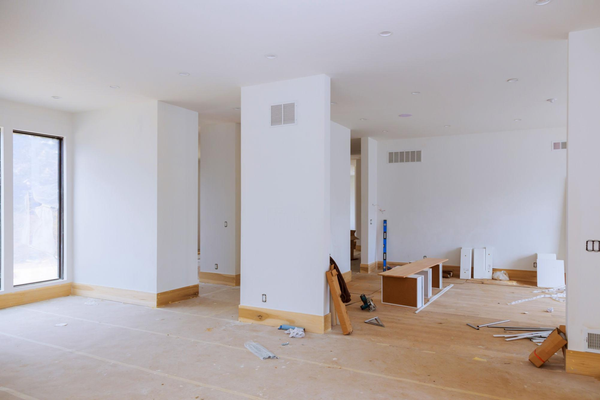
Once permits are approved, construction can begin as quickly as scheduling and material availability allow. The project then moves forward while certain selections and decisions may continue to be made during construction. The homeowner pays the actual cost of labor, materials, subcontractors, equipment, and other project expenses, plus an agreed-upon contractor percentage for managing and completing the project.
Advantages of Cost-Plus Construction
This approach can provide:
- A faster construction start
- Greater flexibility during the project
- The ability to make selections as construction progresses
- Transparent project costs
- Flexibility when the final scope is still evolving
Things to Consider
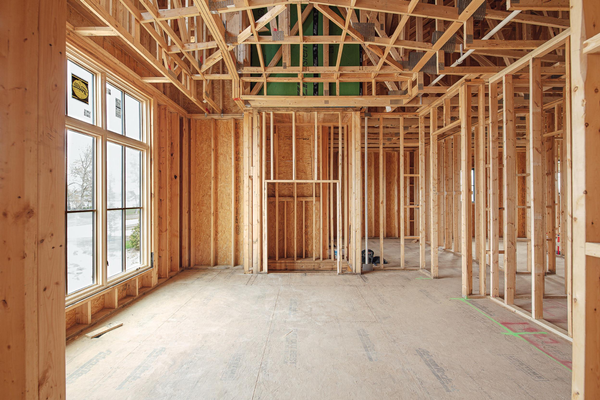
Because not every selection and expense is finalized before construction begins, the total project cost may change as materials are selected or unexpected conditions are discovered.
The construction timeline may also depend on:
- Material availability
- Product lead times
- Permit approvals
- Required inspections
- Subcontractor scheduling
- Decisions made during construction
Cost-plus construction is ideal for homeowners who value speed and flexibility and are comfortable with a project budget that may continue to develop throughout construction.
Option Three: Fixed-Price or Total Project Bid
For Projects With Completed Plans and Selections
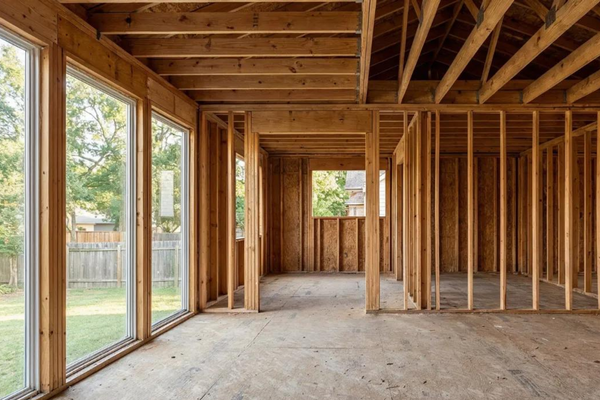
A fixed-price or total project bid is typically used when a homeowner already has a complete set of construction plans and has made the majority of the material and finish selections. In this situation, Premier Remodeling reviews the completed documents and provides a total bid for the project.
This approach is often used by homeowners who are collecting estimates from multiple contractors.
What Is Needed Before Bidding
To provide an accurate total project bid, the following should already be completed:
- Architectural or construction plans
- Structural details
- Project specifications
- Cabinet layouts
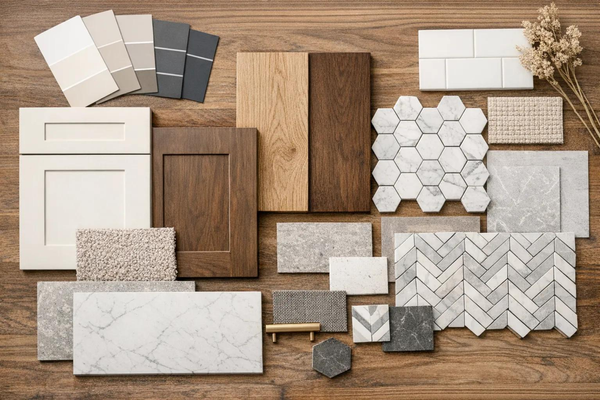
- Plumbing and lighting selections
- Flooring and tile selections
- Interior finish selections
- Exterior material selections
- Other major project decisions
The more complete the documents and selections are, the more accurate the bid can be.
Why Fixed-Price Bids Are Often Higher
With a fixed-price bid, the contractor agrees to complete the defined project for a set amount. Because remodeling and construction projects can contain hidden conditions or unexpected expenses, the bid must account for additional risk.
This may include potential issues such as:
- Hidden structural damage
- Outdated wiring or plumbing
- Water damage
- Material price changes
- Incomplete plans
- Unidentified site conditions
- Additional labor or code requirements
Because the contractor assumes more of the financial risk, a fixed-price bid will often be higher than a carefully planned design-build project.
Comparing Contractors
The Lowest Bid Is Not Always the Best Value
When reviewing multiple estimates, it can be tempting to choose the contractor with the lowest number. However, construction bids are not always based on the same materials, scope of work, quality standards, or level of craftsmanship. A lower estimate may leave out important work, use lower-quality materials, or rely on allowances that do not reflect the products you actually want. Some contractors may also reduce costs by rushing the work or cutting corners in areas that may not be noticeable until after the project is completed. The quality difference is often most visible in the finish work. Trim, cabinetry, flooring transitions, tile, drywall, paint, doors, and other details can quickly reveal the experience and care that went into a project.
Before hiring a contractor, homeowners should ask for:
- Proof of licensing
- Proof of insurance
- References from previous customers
- Photos or examples of completed projects
- A detailed written scope of work
- A clear payment schedule
- Information about warranties
- Details about how changes and additional costs are handled
Unfortunately, there are individuals who present themselves as contractors, collect a deposit, and never complete the work. Taking the time to verify a contractor’s credentials, reputation, and previous work can help protect both your home and your investment.
Which Process Is Right for Your Project?
Design-Build May Be Best If:
- You have an idea but need help developing the details
- You want assistance selecting materials and finishes
- You want the most accurate pricing possible
- You want to minimize surprises and change orders
- You prefer a well-planned and streamlined construction process
- You are not working with an extremely urgent construction start date
Cost-Plus May Be Best If:
- You want to begin construction as quickly as possible
- You are comfortable making decisions during construction
- Your project scope may continue to evolve
- You value flexibility
- You understand that the final cost may change throughout the project
A Fixed-Price Bid May Be Best If:
- You already have complete construction plans
- Your materials and finishes have been selected
- You are requesting bids from multiple contractors
- You want a single estimated project price
- You understand that contingency costs may be included in the bid
Start With a Conversation
The first step in any successful remodeling project is understanding your goals.
During your initial consultation, we will discuss your project, answer your questions, review the different construction approaches, and help you determine which process is the best fit for your home, budget, and timeline.
Whether you are planning a home addition, kitchen remodel, bathroom renovation, finished basement, deck, or full-home transformation, Premier Remodeling will guide you through the process with honest communication, careful planning, and quality craftsmanship.
Ready to Start Planning Your Project?
Contact Premier Remodeling to schedule an initial consultation and take the first step toward transforming your home.