When you're planning a renovation, addition, or construction project, one of the first decisions isn't necessarily what materials you'll choose or when construction will begin.
It's how the project itself will be planned, priced, and managed.
At Premier Remodeling, we understand that no two projects - or homeowners - are exactly the same. Some clients come to us with an idea and need help developing everything from construction plans to material selections. Others already have detailed plans ready and simply need a contractor to complete the work. And for some homeowners, getting construction started as quickly as possible is the top priority.
That's why we offer three different approaches for larger remodeling and construction projects: design-build, cost-plus construction, and fixed-price bidding.
Each has its own advantages. The right choice depends on how far along you are in the planning process, your budget, your timeline, and how much flexibility you want along the way.
Option 1: Design-Build
Best for homeowners who want a detailed plan and more predictable project costs.
Design-build is the process we recommend most often, and for good reason.
This approach allows us to work through the details of your project before construction begins.
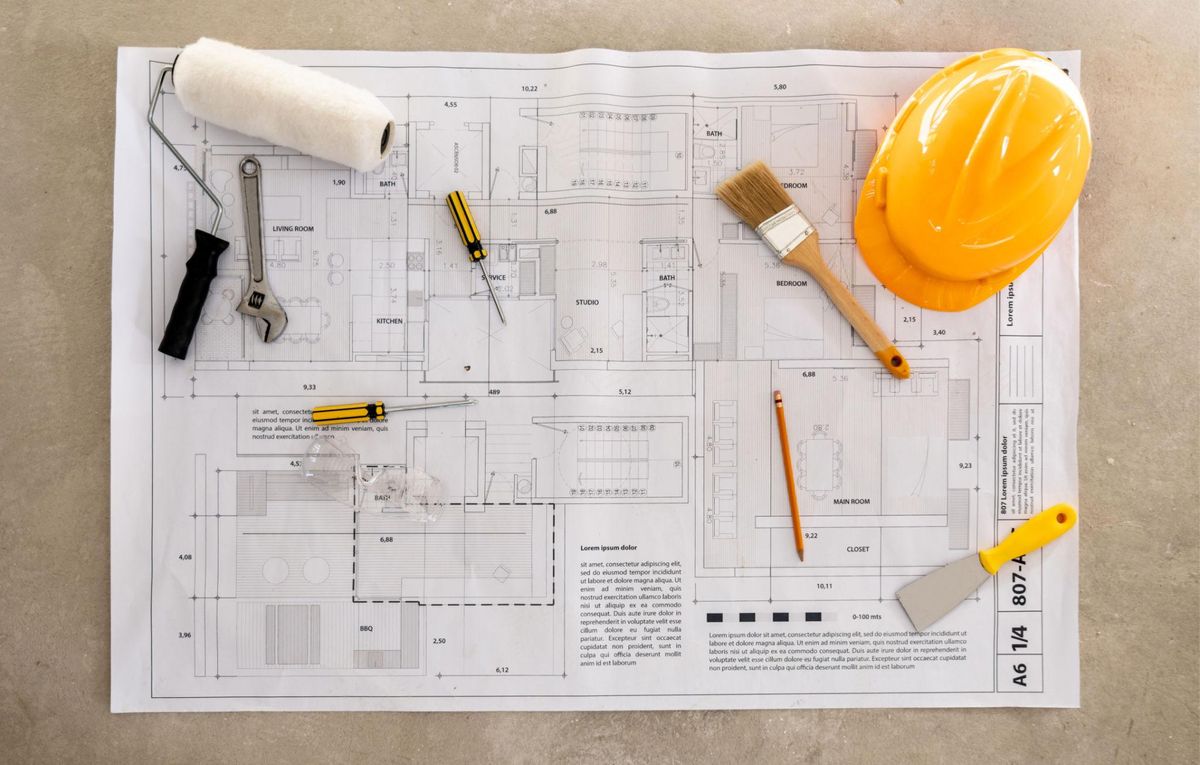
It starts with an initial consultation where we'll discuss your project, goals, style, approximate budget, timeline, and priorities. From there, the project moves into a design agreement and the development of construction plans.
But the planning doesn't stop there.
Materials and finishes are selected ahead of construction, which may include everything from flooring, cabinetry, countertops, and lighting to roofing, siding, trim, doors, fixtures, and other project-specific details.
Once the plans and selections are finalized, we can gather detailed quotes from the electricians, plumbers, HVAC contractors, suppliers, and other trade partners involved.
The result?
A much clearer picture of what the project will actually cost before construction begins.
Why choose design-build?
Planning more upfront can help:
Reduce unexpected expenses
Minimize change orders
Prevent material delays
Improve scheduling
Keep trades organized
Create a smoother construction process
Design-build may take longer on the front end, but that additional preparation can ultimately make construction more efficient and provide the best overall value.
If you have a vision for your project but still need help turning that vision into a complete plan, design-build is likely the best place to start.
Option 2: Cost-Plus Construction
Best for homeowners who prioritize speed and flexibility.
What if you don't want to wait until every single material and finish has been selected before getting started?
That's where cost-plus construction comes in.
With this approach, the initial priority is developing the necessary construction plans, securing permits, and getting the project ready to build. Once permits are approved and scheduling allows, construction can begin while some selections and decisions continue to be made along the way.
Rather than agreeing to one total project price upfront, the homeowner pays the actual costs associated with the project, including labor, materials, subcontractors, equipment, and other expenses, plus an agreed-upon contractor percentage for managing and completing the work.
Why choose cost-plus?
This approach provides:
A potentially faster construction start
More flexibility throughout the project
The ability to make certain selections as work progresses
Transparency into actual project costs
Flexibility for projects where the final scope may still evolve
There is a trade-off for that flexibility.
Because every selection and expense isn't finalized before construction starts, the final project cost can continue to change. Material availability, product lead times, inspections, subcontractor scheduling, and decisions made during construction can also affect the timeline.
For homeowners whose biggest priority is getting started quickly and who are comfortable with a budget that may evolve, cost-plus can be a great fit.
Option 3: Fixed-Price or Total Project Bid
Best for homeowners who already have completed plans and selections.
Sometimes homeowners come to Premier Remodeling much further along in the process.
You may already have architectural or construction plans, structural details, cabinet layouts, and the majority of your materials and finishes selected.
In that case, a fixed-price or total project bid may make the most sense.
Premier Remodeling can review the completed project documents and provide a total bid based on the defined scope of work.
This is also the approach commonly used when homeowners are collecting bids from multiple contractors.
What do you need for an accurate bid?
Ideally, major project decisions have already been made, including:
Construction or architectural plans
Structural details
Project specifications
Cabinet layouts
Plumbing and lighting selections
Flooring and tile
Interior finishes
Exterior materials
The more detailed the information provided, the more accurately a contractor can price the project.
Why Can a Fixed-Price Bid Be Higher?
This is something homeowners don't always realize when comparing construction pricing.
With a fixed-price project, the contractor is agreeing to complete a defined scope of work for a set amount.
But construction, especially work involving an existing home, can come with unknowns.
Hidden structural damage, outdated electrical or plumbing, water damage, changing material costs, incomplete plans, unexpected site conditions, code requirements, and additional labor can all affect the true cost of completing a project.
Because the contractor assumes more of that financial risk with a fixed-price agreement, the initial bid may include additional contingency costs.
That's one reason a carefully planned design-build project can sometimes provide better overall value.
Don't Compare Contractor Bids on Price Alone
If you're gathering multiple estimates for your project, it's easy to immediately look at the number at the bottom of each proposal.
But before assuming the lowest bid is the best deal, make sure you're actually comparing the same thing.
Two contractors may provide dramatically different prices because they're accounting for different:
Materials
Scopes of work
Allowances
Quality standards
Construction methods
Finishes
Labor
Warranty coverage
A lower price doesn't necessarily mean you've found the better value.
Some differences may not even be noticeable until the project is nearly finished. Trim work, cabinetry, flooring transitions, tile, drywall, paint, doors, and other finishing details can quickly reveal the level of craftsmanship that went into the work.
Before hiring any contractor, ask for proof of licensing and insurance, references, examples of completed projects, a detailed scope of work, payment terms, warranty information, and an explanation of how changes or additional expenses will be handled.
You're not just comparing prices.
You're deciding who you're trusting with your home and your investment.
So, Which Construction Process Should You Choose?
If you have an idea but need help developing the plans, materials, and details, design-build will likely make the most sense.
If your priority is getting construction underway quickly and maintaining flexibility, cost-plus may be the better fit.
And if you already have completed plans and selections and are ready to collect bids, a fixed-price proposal may be appropriate.
You don't necessarily need to know the answer before contacting us.
That's part of the initial consultation.
We'll talk about where you are in the planning process, what you want to accomplish, your budget, your timeline, and your priorities. From there, we can help determine which approach makes the most sense for your specific project.
Start With a Conversation
Every successful project starts with a plan, but that plan doesn't have to be finished before you call us.
Whether you're starting with an idea, already holding completed construction plans, or somewhere in between, Premier Remodeling can help you determine the right next step.
Ready to start planning? Contact Premier Remodeling to schedule an initial consultation and tell us about your project.
Want to Learn More About Our Process?
Every project is different, and choosing the right approach can make a big difference in your overall experience, timeline, and budget.
If you'd like a more detailed look at how each of our three construction options works, including the step-by-step design-build process, material selections, trade partner quotes, pricing, and what to expect before construction begins, visit our Our Process page.
There, you can learn more about how Premier Remodeling approaches each project and what you can expect when working with our team.