If you've lived through even one Wisconsin winter, you know how quickly the weather can change. One week, you're enjoying beautiful fall temperatures, and the next, you're dealing with freezing temperatures, snow, ice, and everything that comes with them.
While you're getting the snow shovels, winter coats, and holiday decorations ready, there's something else that deserves a little attention: your home.
Winter weather can be tough on a house, especially when small maintenance issues are left unaddressed. A drafty window, clogged gutter, or damaged exterior material might not seem like a big deal in the beginning of November, but those same issues can turn into costly repairs once freezing temperatures arrive.
Before winter settles in, here are five important things every homeowner should check.
1. Inspect Windows and Doors for Drafts
If you've noticed cold air sneaking in around your windows or doors, now is the time to investigate. Small gaps, deteriorating weatherstripping, and damaged seals can allow cold air into your home while letting heated air escape. Not only can this make certain rooms uncomfortable, but it can also increase your heating costs throughout the winter.
What to check:
Cracked or deteriorating caulking around windows and doors
Worn or missing weatherstripping
Drafts around exterior doors
Windows that don't close or seal properly
Visible moisture or condensation between windowpanes
Some issues can be resolved with simple maintenance, while others may indicate it's time for window, door, or trim repairs.
Homeowner tip: Don't ignore soft or deteriorating wood around window and door frames. What looks like a minor cosmetic issue could be a sign of moisture damage that will only worsen with continued exposure.
2. Clean Gutters and Check Drainage
Fall leaves might look beautiful, but they can create serious problems when they collect in your gutters. When gutters become clogged with leaves, branches, and debris, melting snow and rainwater can't drain properly. As temperatures fluctuate above and below freezing, trapped water can freeze and contribute to ice buildup. In some cases, this can lead to damaged gutters, water intrusion, and additional wear on roofing or exterior materials.
What to check:
Gutters filled with leaves or debris
Loose, sagging, or damaged gutter sections
Downspouts that aren't draining properly
Water collecting near your home's foundation
Signs of previous ice buildup or water damage
Proper drainage is especially important during Wisconsin winters, when snow accumulation and repeated freeze-thaw cycles can create additional stress on your home.
Homeowner tip: Make sure downspouts direct water away from your foundation. Water pooling around your home can become a much bigger concern when freezing and thawing repeatedly.
3. Inspect Exterior Wood, Siding, and Trim
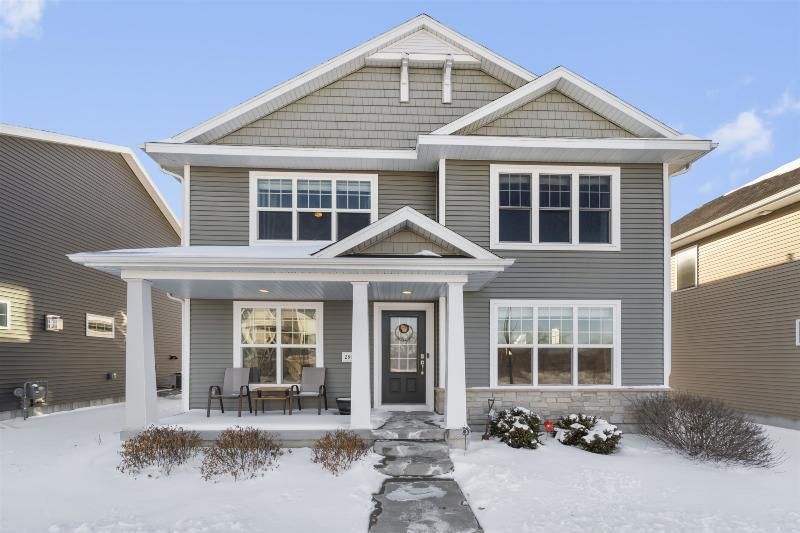
Your home's exterior serves as its first line of defense against Wisconsin's winter weather. Damaged siding, rotting wood, loose trim, and deteriorating exterior materials can allow moisture to reach areas it shouldn't. Once water gets behind these surfaces and begins freezing and thawing, existing damage may become worse. That's why fall is a great time to walk around your home and take a closer look at its exterior condition.
What to check:
Cracked, loose, or damaged siding
Soft or rotting wood around windows and doors
Deteriorating fascia boards and exterior trim
Peeling paint or exposed wood
Gaps where moisture could enter
While some exterior repairs may seem minor, addressing them before winter can help prevent more extensive damage down the road.
Homeowner tip: If you notice wood that feels soft, crumbles easily, or shows visible signs of rot, don't simply cover it with paint or caulk. The underlying damage should be evaluated and properly repaired.
4. Protect Outdoor Plumbing From Freezing Temperatures
Frozen pipes are one winter surprise no homeowner wants to experience. When water freezes inside a pipe, it expands and can create enough pressure to cause a rupture. Depending on where the pipe is located, the resulting water damage can be extensive. Outdoor plumbing and pipes located in unheated areas are especially vulnerable during prolonged freezing temperatures.
What to check:
Garden hoses still connected to outdoor faucets
Exterior hose bibs that aren't properly winterized
Exposed plumbing in garages, crawl spaces, or other unheated areas
Leaking outdoor faucets
Pipes that may need additional insulation
Disconnecting hoses, draining appropriate outdoor water lines, and properly insulating vulnerable plumbing can help reduce the risk of frozen pipes.
Homeowner tip: If you're unsure whether your outdoor plumbing is properly protected, address it before the first hard freeze rather than waiting until temperatures are already below freezing.
5. Check Decks, Railings, Steps, and Other Outdoor Structures
Your deck, porch, and exterior stairs may not get much use during the winter, but that doesn't mean they should be forgotten. Snow, ice, and moisture can make existing structural issues worse, particularly when wood has already begun deteriorating. Loose railings, rotting deck boards, and damaged steps can also create safety hazards when surfaces become slippery.
What to check:
Loose or unstable deck and porch railings
Soft, rotting, or deteriorating wood
Cracked or damaged deck boards
Unstable exterior steps
Loose connections or visibly damaged structural components
Taking care of these repairs before winter helps keep outdoor spaces safer and can prevent additional deterioration during the colder months.
Homeowner tip: A loose railing might seem like something that can wait until spring, but when someone slips on an icy step, that railing becomes especially important.
Why Fall Home Maintenance Matters in Wisconsin
Wisconsin homes experience a lot throughout the year, but winter brings a particularly challenging combination of freezing temperatures, heavy snow, ice, and repeated freeze-thaw cycles. These conditions can expose weaknesses in your home's exterior, worsen existing moisture problems, and turn small repairs into larger projects.
The good news? A little preventative maintenance can go a long way.
Taking the time to inspect your home before winter allows you to identify potential concerns, prioritize necessary repairs, and head into the colder months with greater peace of mind. Not every issue requires a major renovation. Sometimes, addressing a small problem at the right time is all it takes to help avoid a much bigger one later.
Need Help With Home Repairs Before Winter?
Your home works hard to protect you and your family throughout the year. Making sure it's ready for winter is one of the best ways to protect that investment.
At Premier Remodeling & Repair Services LLC, we understand the importance of quality workmanship, attention to detail, and taking care of home repairs the right way. Whether you've noticed deteriorating exterior wood, damaged trim, loose railings, or other repair concerns, we're here to help you evaluate your project and determine the next steps.
Don't wait until winter weather turns a small repair into a bigger problem.
--
Call Dan at (414) 395-5833
Proudly serving Muskego, Franklin, New Berlin, Brookfield, Oak Creek, Milwaukee, and surrounding Southeast Wisconsin communities.